



Introduction
The carding ecosystem in 2026 is more polluted with scammers than ever before. Fake transaction proofs circulate constantly on Telegram, forums, and social media. Bought vouches pad seller reputations, and manipulated screenshots fool even experienced buyers. If you are purchasing carding tools, services, or materials this year, knowing how to separate genuine proof from fabricated garbage is the difference between a successful transaction and getting burned. This guide covers exactly how to verify carding proof in 2026, from spotting Photoshop artifacts to cross-referencing blockchain data. Whether you are a buyer protecting your money or a seller establishing real credibility, these techniques are essential.
Recommended Legit Stores For Carding Tools ( Escrow Accepted )
- WorldDumps.site – Access non-VBV BINs and high-quality dumps with PIN, Carding tools.
- CloneCards.store – Purchase clone cards, legit dumps with PIN, and carding materials.
- CVVDump.uno – Obtain swift money transfer services, including bank transfers, PayPal, CashApp, Venmo, Zelle, and Western Union transfers.
What Counts as Carding Proof in 2026
Carding proof is any evidence demonstrating that a carding transaction was successfully completed. It exists in several formats, each with its own verification requirements. The most common types include screenshots of order confirmations from merchant sites, payment receipts from payment processors, account balance screenshots showing loaded funds, and shipping tracking pages for physical goods.
Genuine proof in 2026 should contain several verifiable elements. The card BIN, meaning the first six digits of the card number, should be at least partially visible. The transaction amount must be shown clearly. The date and time of the transaction should appear in the screenshot. The merchant name or website URL should be present. A unique identifier such as an order number or transaction ID should be included. If any of these elements are missing or obscured, that is your first red flag.
How to Spot Fake Carding Proof in 2026
Fake carding proof is designed to look authentic but is fabricated using various techniques. Scammers in 2026 rely on Adobe Photoshop, browser developer tools, and increasingly, AI-generated images to create convincing fakes. Understanding how these fakes are made is the first step to spotting them. The core principle is that real payment pages and confirmation screens have specific, consistent layouts that are difficult to perfectly replicate without access to the actual system.
How to Spot Fake Carding Screenshots in 2026: Red Flags to Watch For
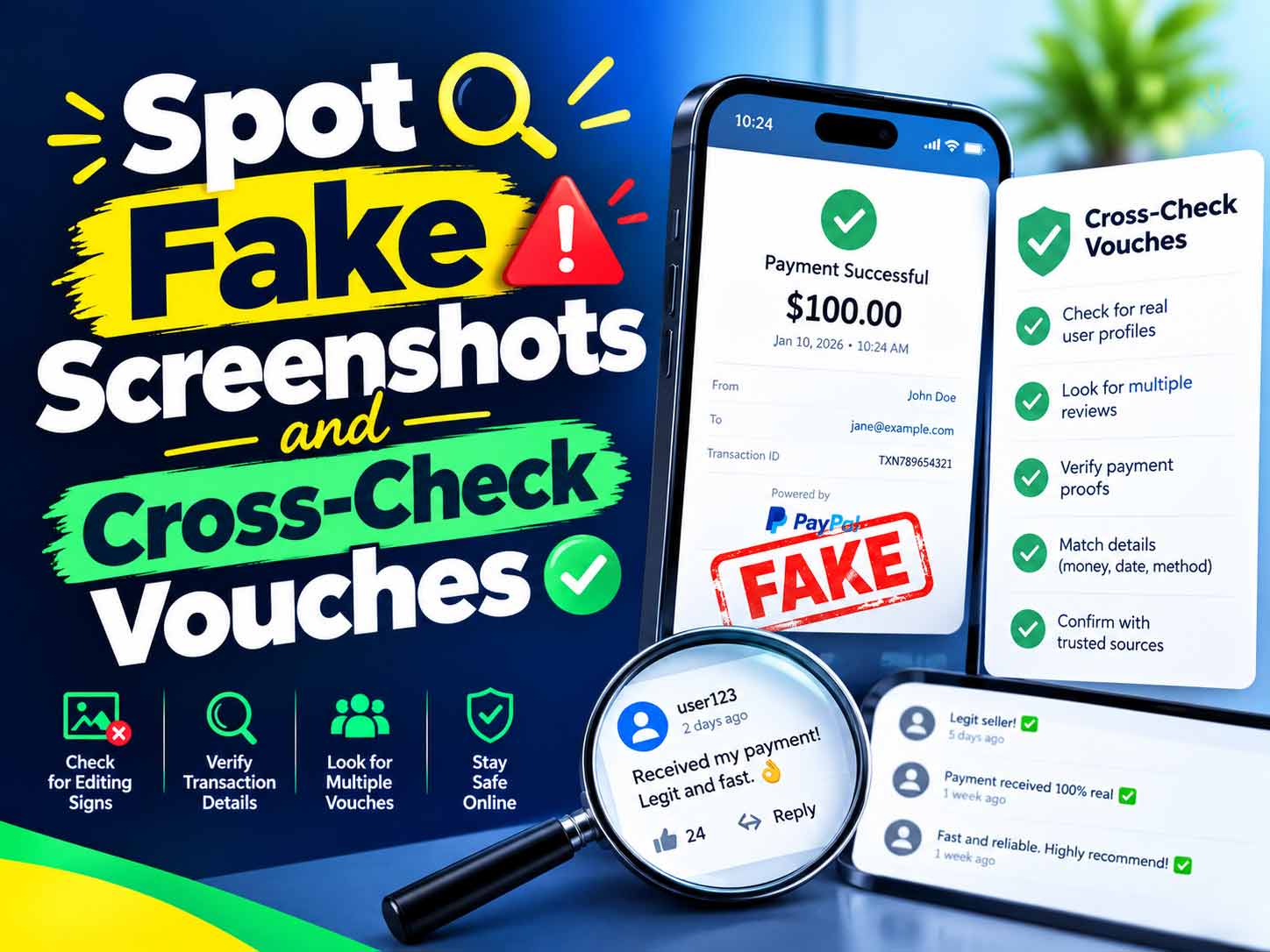
When examining a screenshot, train your eye to look for specific inconsistencies. Pixelation around text or UI elements is a strong indicator of editing, as it suggests elements were cut and pasted from another source. Mismatched shadows and lighting between different parts of the image suggest composite elements.
Missing or incorrectly rendered UI elements, such as buttons that look slightly off or font styles that do not match the rest of the page, are common in fakes.
Unnatural cursor positions or selection highlights that do not align with the claimed action are another giveaway. Inconsistent timestamps, where the time shown in the screenshot does not match the claimed transaction time or seems to be from a different date, should immediately raise suspicion.
Common Photoshop Tricks Used in Fake Carding Proofs
Scammers use several specific Photoshop techniques to fabricate proof. Cloning and stamping involves duplicating elements like confirmation checkmarks or dollar signs from one part of the image to another. Layer manipulation allows them to change text or numbers in a screenshot without affecting the background.
Color adjustments are used to hide editing artifacts, such as mismatched brightness levels between pasted elements. Blurring is applied strategically to obscure details that would reveal the fake, such as inconsistent font rendering or misaligned borders. If you see unnecessary blurring around transaction details, treat it as a major red flag.
Why Some Carding Proof in 2026 Look Real but Are Actually Faked
The most dangerous type of fake proof is the one created using browser inspection tools. A scammer navigates to a legitimate payment page, opens the browser’s developer tools, and edits the HTML directly to change the amount, merchant name, or status.
They then take a screenshot of the edited page. The resulting image looks identical to a real confirmation because it is built on the real page’s framework. The only reliable way to catch this is to check the page source yourself or use a tool that captures the actual server response rather than the rendered DOM. If you cannot verify the source, treat the proof with skepticism.
Best Tools for Verifying Carding Proof Authenticity
Several tools can help you verify carding proof in 2026. An EXIF viewer allows you to inspect the metadata embedded in the image file, revealing the software used to create or edit it. A reverse image search tool like Google Images or TinEye can tell you if the image was stolen from another source.
A BIN checker verifies that the first six digits of the card match the expected card type and issuing bank. Screenshot analysis tools are available that can detect common editing artifacts. Some carding marketplaces, such as Buyccfullz.site, offer integrated verification tools that combine these checks into a single interface.
How to Cross-Check Carding Vouches on Forums and Telegram
Vouches are testimonials from previous buyers, but they are easily faked. To verify a vouch in 2026, start by checking the poster’s account history. A real user will have a history of posts on various topics, not just vouches. Look for multiple vouches from different users for the same seller. If all vouches come from accounts created recently or accounts with no other activity, they are likely bought. Search for the exact text of the vouch online. Scammers frequently copy and paste vouch text from other sellers. Finally, ask for contact information for the buyer who left the vouch and verify independently. A legitimate buyer will be willing to confirm their experience.
How to Tell If a Carding Vouch Is Bought or Genuine
Bought vouches have distinct characteristics. They often come from accounts with zero posting history outside of vouching. The language in bought vouches tends to be generic and overly positive, lacking specific details about the transaction. Genuine vouches typically include specific information such as what was purchased, how quickly it was delivered, and any issues encountered. Genuine vouches also come from active community members with a diverse posting history across multiple threads and topics. If an account exists only to vouch, treat its testimony as worthless.
How to Verify Timestamps and Metadata in Carding Screenshots
Timestamps are one of the easiest verification points to check. Compare the timestamp displayed in the screenshot to the claimed transaction time. If the screenshot shows a time that does not match the seller’s claim, the proof is fake. Beyond the visible timestamp, check the image’s metadata. EXIF data contains the actual date and time the screenshot was taken, which should be consistent with the screenshot’s content. Use an EXIF viewer to check the metadata. If the EXIF timestamp shows the image was created weeks before the claimed transaction, you have caught a fake.
How to Use EXIF Data to Detect Altered Carding Screenshots
EXIF data is metadata embedded in image files by the device or software that created them. This data includes the camera or software used, the date and time of creation, and sometimes GPS coordinates. To check EXIF data, download the image and use an online EXIF viewer or a desktop tool like ExifTool. Look specifically for the “Software” field. If it shows “Adobe Photoshop,” “GIMP,” or any other image editing application, the screenshot has been altered. Also check the “Date Created” field against the timestamp in the screenshot. Inconsistencies here are definitive proof of fabrication.
How to Cross-Reference Carding Proofs with Bin Checkers
A BIN checker is essential for verifying carding proof. The BIN, or Bank Identification Number, is the first six digits of the card number. Enter the BIN from the screenshot into a reliable BIN checker. The checker will return the issuing bank, card type (Visa, Mastercard, etc.), card level (Classic, Gold, Platinum), and country of issue. If the BIN in the screenshot does not match the expected output, the proof is fake. For example, if the BIN returns a UK bank but the merchant in the screenshot is in the US, or if the BIN is listed as a debit card but the screenshot shows a credit transaction, the proof should be rejected.
How to Check If a Carding Proof in 2026 Matches the Bin and Amount Claimed
Beyond the BIN itself, verify that the amount in the screenshot matches the claimed transaction value. Scammers often use a real screenshot of a small transaction and then claim it was a large one. Compare the amount shown in the proof to the amount the seller claims was charged. If they do not match, the proof is invalid. Also verify that the merchant name in the screenshot is consistent with the type of goods or services being sold. A proof showing a purchase from a grocery store does not validate a claim about electronics.
How to Verify Carding Proof in 2026 from Multiple Sources
Never rely on a single piece of proof. A competent scammer can fabricate one convincing screenshot. Ask the seller for proof from multiple transactions, ideally with different amounts, different merchants, and different card BINs. Compare the details across all proofs. Look for consistency in the formatting of the screenshots, the UI elements shown, and the writing style of any included text. If all proofs look identical in their layout and style, they may have been fabricated using the same template. Genuine proof from different merchants and payment processors will naturally vary in appearance.
How to Use Reverse Image Search to Find Fake Proofs
Reverse image search is one of the most effective tools for catching reused fake proofs. Upload the screenshot to Google Images or TinEye. If the image appears in search results from other sources, especially from different sellers or on older dates, the proof is stolen. Scammers frequently take a real screenshot from one transaction and reuse it for multiple sales. A reverse image search will reveal this immediately. For best results, crop the image to remove any unique text or watermarks before searching, as this can help the search engine find exact matches.
How to Verify Carding Proofs for Different Payment Methods
Different payment methods produce different types of proof, and each requires specific verification techniques. For PayPal proofs, look for the transaction ID and verify it through PayPal’s transaction lookup if possible. Check that the account balance shown is consistent with the claimed transaction. For credit card payments, verify the BIN as described above and check that the merchant category code is appropriate. For cryptocurrency payments, use a blockchain explorer to verify the transaction. For wire transfers or bank transfers, look for confirmation numbers and check them against the bank’s systems if accessible. The key is to use the verification method specific to the payment type shown.
How to Spot Fake Carding Proofs on Twitter, Instagram, and YouTube
Social media platforms are rife with fake carding proof. On Twitter and Instagram, scammers post screenshots of supposed successful transactions to attract buyers. Check the account’s posting history. If the account exists only to post carding proof and has no other content, it is almost certainly a scam. Look for inconsistencies in the screenshots across different posts. If the same background or UI elements appear in multiple posts from different accounts, the images are likely stolen. On YouTube, scammers post video proofs. Examine the video for editing cuts. A genuine screen recording will show the entire process from login to confirmation without jumps. Any cut in the video is an opportunity to insert fake content.
How to Use Blockchain Explorers to Verify Crypto Carding Proofs
Cryptocurrency transactions are verifiable on the blockchain, making them harder to fake than traditional payment proofs. When a seller provides crypto carding proof, they should include a transaction ID (TXID). Enter this TXID into a blockchain explorer such as Blockchain.com for Bitcoin or Etherscan for Ethereum. The explorer will show the transaction amount, the sending and receiving addresses, the timestamp, and the number of confirmations. Verify that the amount matches the claimed value, that the receiving address belongs to the seller or the intended merchant, and that the timestamp is consistent with the claimed transaction time. If the TXID does not exist or shows different details, the proof is fake.
How to Verify Carding Proofs for Physical Goods vs Digital Products
The verification approach differs based on what was supposedly purchased. For physical goods, genuine proof should include tracking information from a shipping carrier such as UPS, FedEx, or USPS. Enter the tracking number on the carrier’s website to verify the shipment status, origin, and destination. Be aware that scammers sometimes use real tracking numbers from other packages. Verify that the tracking details match the claimed item and destination. For digital products such as software licenses, gift cards, or account credentials, proof should include a download link, activation key, or login credentials. Verify these independently by attempting to use them. If the key is invalid or the account does not exist, the proof is fake.
How to Verify Carding Proofs from New vs Established Sellers
New sellers are statistically more likely to use fake proofs. They have no reputation to lose and often operate with the intent to scam. However, established sellers can also turn bad or use fake proofs to inflate their reputation. Always verify proof regardless of the seller’s stated history or reputation score. For new sellers, demand more proof and higher quality proof. Ask for video recordings rather than static screenshots. Verify every claim independently. For established sellers, spot-check their proofs regularly and cross-reference with community feedback. A seller who has been operating for years with consistent genuine proof is more trustworthy, but no seller should be trusted blindly.
How to Use Video Proofs to Confirm Carding Success
Video proofs are significantly harder to fake than static screenshots, but they are not impossible to manipulate. When reviewing a video proof, look for screen recordings that show the entire process from logging into the merchant site to receiving the confirmation page. Check for editing cuts that jump over parts of the process. A genuine screen recording will be one continuous take. Look for cursor movements that match the claimed actions. Listen for background audio that is consistent with the environment. If the video is a screen recording, check that the taskbar or system tray shows the correct date and time. Any inconsistency is a red flag.
How to Verify Carding Proofs for High-Value Items Over $1000
High-value transactions attract the most sophisticated scammers. For proofs involving items valued over $1000, demand multiple proofs from different angles. Ask for screenshots of the shopping cart, the checkout page, the payment confirmation, and the order history page. Verify the merchant’s website independently by visiting it directly rather than clicking a link provided by the seller. Check that the merchant actually sells the claimed item and at the claimed price. Use a BIN checker to verify the card details. If possible, ask for a video recording of the entire transaction process. The more proof you require, the harder it is for a scammer to fabricate.
How to Build a Reputation for Trustworthy Carding Proof Verification
If you are a seller, your reputation depends on providing verifiable proof. Use screen recordings instead of static images whenever possible. Include multiple verification points in your proof: the BIN, the amount, the date, the merchant, and a unique transaction ID. Encourage your buyers to verify your proofs using the methods in this guide. Be transparent about your verification process. A seller who welcomes scrutiny is more trustworthy than one who discourages it. Over time, consistent, verifiable proof builds a reputation that attracts serious buyers and discourages scrutiny.
Actionable Takeaways on Carding Proof in 2026
Always verify carding proof before making a purchase. Use EXIF viewers, reverse image search, and BIN checkers as standard practice. Cross-check vouches on forums and Telegram by examining account history and searching for copied text. Be skeptical of proofs that look too perfect or that come from sellers who discourage verification. Use the tools available on marketplaces like Buyccfullz.site to assist in verification. Remember that no single piece of proof is definitive. Always seek multiple sources of verification.
Summary of Carding Proof in 2026
Verifying carding proof is a critical skill for anyone operating in the carding ecosystem in 2026. Scammers are more sophisticated than ever, using Photoshop, browser inspection tools, and AI-generated images to create convincing fakes. By using the methods and tools described in this guide, you can avoid scams and make informed purchasing decisions. The key principles are to verify every element of the proof independently, to seek multiple sources of verification, and to never trust a single screenshot or vouch without cross-checking.
Conclusion
Do not let scammers take your money. Learn to verify carding proof using the techniques outlined here, and protect yourself from the countless frauds operating in this space. The tools and methods are available to anyone willing to use them. Apply them consistently, and you will significantly reduce your risk of being scammed.
To get started with the right tools and materials, visit Worlddumps.site to get Non VBV BINs or clonecards.store to get clone cards, legit dumps with pin and carding materials. Also, visit cvvdump.uno to get money swift money transfer service which includes bank transfer, PayPal, Cashapp, Venmo, Zelle, and Western Union transfers.
Frequently Asked Questions (FAQ) on Carding Proof in 2026
What is carding fraud? Carding fraud is the unauthorized use of credit or debit card information to make purchases or transfer funds. It is the underlying activity that carding proof is meant to demonstrate.
What is carding? Carding is the process of using stolen card information to make unauthorized transactions. Proof of carding shows that these transactions were successfully completed.
How to use reverse image search to find fake proofs? Upload the image to Google Images or TinEye. If the image appears in search results from other sources, it is likely stolen and reused. This is one of the most reliable ways to catch fake proofs.
How to verify carding proofs for different payment methods? Use the specific verification tool for that method. For PayPal, check transaction IDs and account balances. For credit cards, use a BIN checker. For cryptocurrency, use a blockchain explorer. Each payment method has its own verification system.
How to spot fake carding proofs on Twitter, Instagram, and YouTube? Check the account’s posting history. Accounts that only post carding proof are almost certainly scams. Look for inconsistencies in screenshots across different posts. For videos, check for editing cuts that hide parts of the process.
How to use blockchain explorers to verify crypto carding proofs? Enter the transaction ID from the proof into a blockchain explorer such as Blockchain.com for Bitcoin or Etherscan for Ethereum. Verify the amount, addresses, and timestamp against the seller’s claims.
How to verify carding proofs for physical goods vs digital products? Physical goods should have tracking information that can be verified on the carrier’s website. Digital products should have a download link or activation key that can be tested independently.
How to check if a carding proof matches the bin and amount claimed? Use a BIN checker to verify the card details from the first six digits. Compare the amount in the screenshot to the claimed transaction value. Both must match for the proof to be valid.
How to verify carding proofs from new vs established sellers? Always verify proof regardless of reputation. New sellers are more likely to use fakes, but established sellers can also fabricate proofs. Apply the same verification standards to every seller.
How to use video proofs to confirm carding success? Look for screen recordings that show the entire process without editing cuts. Check for consistent cursor movements and timestamps. A genuine video will show every step from login to confirmation.
How to verify carding proofs for high-value items over $1000? Require multiple proofs from different stages of the transaction. Verify the merchant website independently. Use all available verification tools. The higher the value, the more scrutiny is required.
How to build a reputation for trustworthy carding proof verification? Provide clear, verifiable proof using screen recordings. Include multiple verification points. Encourage buyers to verify your proofs independently. Transparency builds trust over time.


